A marvelous wok is like a live performance grand in a small condominium. You would possibly not use all of it everyday, however if you happen to host, the selection matters. The resolution to what length wok do I want depends much less to your urge for food for sear and extra on the geometry of your stove, the quantity of mouths at your desk, and whether you want theatrical stir-fry at the ultimate minute or serene, make-beforehand braises that lounge in heat sauce till visitors arrive.
I actually have cooked for 2 and for twenty on each and every style of flame and glass you can still believe, and I have ruined adequate scallion oil on undersized pans to recognise that dimension is not a trivial selection. Let’s get distinct, then simple.
The genuine variables at the back of the number
When someone asks what dimension wok do I want, they quite often graphic diameter as the headline. Diameter does steer the dialog, however three different variables ensure regardless of whether that quantity works for your kitchen: warmness output, burner footprint, and subject material.
A wok is absolutely not a flat pan with tall sides. It is a warmness funnel. It needs a column of aggressive vitality below it and respiration space alongside its walls so that you can chase a sauce line from the center, up the perimeters, and lower back returned. If your burner is small, a large wok creates a chilly moat. If your burner is large and muscular, a tiny wok turns frantic and scorches. And in the event that your counters are packed shoulder-to-shoulder on social gathering nighttime, that greater inch of metal subjects when you toss noodles.
Let’s avert each the joy and the physics in view.
The quick reply for maximum hosts
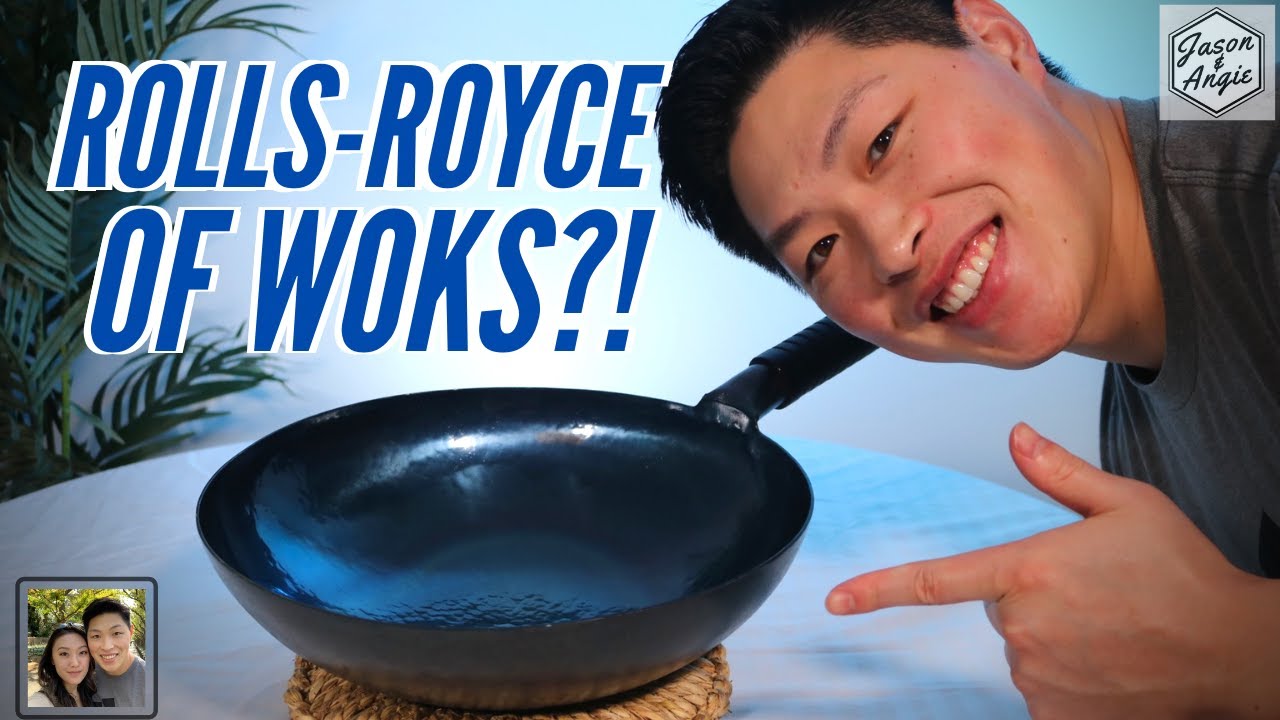
If you entertain most likely, prepare dinner mains at the closing minute, and serve 4 to 8 travelers at a time, a 14-inch (36 cm) round-bottom carbon steel wok with a single long handle and an helping loop is the sweet spot. On American gas ranges with respectable output, it heats fast, flips surely, and holds a crowd devoid of steaming the entirety light. If your parties tilt larger, or you're keen on voluminous noodle dishes, step as much as a sixteen-inch (41 cm) wok provided your burner can feed it. If you use electrical coil or induction without a dedicated wok ring, settle upon a thirteen to 14-inch flat-bottom wok, ideally heavier gauge, and accept that you'll be able to cook in two waves for substantial corporations to stay the sear truthful.
Now the longer, more effective version.
Crowd measurement and element math that respects heat
The rule that absolutely works: length your wok to the quantity of meals that you may toss because of the heart with no flooding it. Flooding turns sear into steam.
For dedicated stir-fry, imagine in kilos of components in step with batch, not servings. On a standard dwelling house fuel burner with 12,000 to 18,000 BTU, a 14-inch carbon steel wok is happiest with about 1 to 1.25 kilos of protein, plus a same quantity of greens and aromatics, for a total of two to two.5 kilos according to batch. That feeds 4 to six as element of an expansion. For eight to ten company, two batches shop texture brilliant. On a critical 22,000 to 30,000 BTU burner, a sixteen-inch wok handles three to three.five kilos according to batch, sufficient for six to 8.
Rice and noodle dishes are greedier with space. A 14-inch wok takes approximately 5 to 6 cups of cooked rice or 12 to fourteen oz. of dried noodles (cooked), with add-ins. Go past that and also you invite a gummy, beige tangle. A sixteen-inch wok breathes more effective around starch, so whenever you are renowned for drunken noodles and most of the time host 8 or extra, that further diameter earns its preserve.
Braises, steams, and poaches behave in another way. Because the liquid handles even warm distribution, a larger vessel doesn’t punish you for quantity. If your pleasing vogue runs to purple-cooked pork that idles gently, a sixteen-inch wok feels logical even on a modest burner. For steaming total fish at table, a 14-inch wok comprises a 12 to thirteen-inch rack and platter; a sixteen-inch takes a small sea bass devoid of contortions.
Burner certainty check
Every measurement resolution need to skip a 30-moment burner check. Put your largest skillet in your favorite burner. Turn the warmth to excessive. Watch the flame trend. If it kisses the skillet’s outer 1/3 flippantly, your stove can push a larger wok. If the warmth concentrates in a gleaming bullseye with a chilly fringe, continue to be disciplined with measurement.
Gas with 10,000 to 14,000 BTU max in line with burner favors a 14-inch circular-bottom wok. Gas above 18,000 BTU, or a devoted wok burner with a concave cradle, can justify sixteen inches. Induction woks with concave adapters exist, but for most flat induction tops, a thirteen to 14-inch flat-backside wok with a thick base plays splendid since it covers the coil entirely and doesn’t rock.
Apartment electric coils can nonetheless do brilliant paintings. You want as much contact as that you can imagine, so thirteen or 14 inches flat-bottom, medium gauge, is your pal. The industry-off is batch measurement. I have cooked blistered efficient beans for twelve on an electric powered coil driving a 14-inch flat-bottom wok, however I did it in three brisk rounds and saved the beans warm in a low oven, tossed in oil and salt so that they didn’t dry out.
Shape, weight, and how the wok feels for your hand
Diameter on my own does no longer dictate skill. Depth and curvature define how ingredients cross. A 14-inch wok with a deep, steep curve supplies you a tall wall to comb aromatics up and out of the burn sector. A shallower bowl of the identical diameter creates more of a saucier profile, higher for braises and quickly shallow fries.
Heft matters. An ultra-thin wok heats rapid however punishes hesitation and scorches where the flame is centered. A thicker gauge, round 1.8 to 2 mm carbon metal, affords you a beat of forgiveness, which is welcome in case you double a recipe mid-birthday celebration and any individual asks for a Negroni. Too heavy, then again, and you lose the wristy toss that makes wok cooking really feel alive. For dwelling entertaining, the sweet spot is a wok that you may raise and tip with a recommended wok sizes bit of luck with one hand at the long deal with and any other at the helper loop, even if it holds several kilos of noodles.
Handle design will not be a ornament. The lengthy manage keeps your knuckles out of the heat and offers leverage for that decisive turn. The helper loop assists in keeping rotation balanced if you happen to pour to a platter. Wooden handles dwell cooler, nonetheless they will char should you forget about them. Metal handles remaining for all time and seem excessive in a great way, but they drive you to hold a towel draped on cue.
Round-backside versus flat-backside, and the verifiable truth about rings
Round-backside woks are standard for a purpose. The curve channels meals to the hottest area and supports that fluid push-and-pull that creates wok hei, the smoky, savory notice worker's chase in restaurants. The catch is contact. Round bottoms call for both a concave burner or a hoop. Wok rings work on gas, but they scouse borrow warm and lift the wok far from direct flame until sized exactly. If your latitude has modest output, a ring can also be the change between crisp garlic and sulking onions. In that case, opt a spherical-bottom simplest in case your burner underneath that is the strongest within the home and alter your expectations to smaller batches.
Flat-backside woks play effectively with induction and electrical. On gas, they sit down quickly over the flame with no a ring. You nevertheless get a centred warm spot, simply not as centred as a classic around. If your friends are much more likely to reach for wine and watch you finish a stir-fry than to appraise your methodology, a flat-bottom wok inside the top length solves greater issues than it creates.
Materials: carbon metallic, forged iron, stainless, and nonstick
For entertaining, I attain for carbon metal nine instances out of 10. It heats quickly, seasons well, and recovers heat among batches quicker than cast iron. When you've got you have got a line of company leaning towards the kitchen, that restoration matters.
Cast iron woks are heavy and hang warm like a memory. They excel at deep-frying small fish or tofu for a crowd, and so they’re forgiving for braises. But they are no longer agile. If you adore the toss and love cooking one dish in two batches, carbon metal wins.
Stainless woks are good-looking in a latest kitchen, but they have a tendency to either stick or believe dull unless layered with aluminum or copper. If you move stainless, choose a tri-ply backside and shop the dimensions affordable: thirteen or 14 inches for such a lot burners. They additionally gained’t grow the related seasoning, that's section of the style story over the years.
Nonstick woks provide trouble-free cleanup and are tempting when imagining a stack of plates after guests depart. The predicament is warm. Nonstick coatings dislike the high temperatures that generate wok hei. For gentle egg threads or a easy shrimp scramble, great. For repeated top-heat batches for 8, now not most efficient.
How tremendous is just too widespread in a abode kitchen
The seduction of the 18-inch wok is factual in case you fall for hospitality. It seems like authority. But you need space to transport around it, and storage that doesn’t bury it behind a stack of roasting pans you simply see at Thanksgiving. An 18-inch wok on a normal homestead range straddles burners, liquids warmth, and crowds each and every different challenge. If you might be outfitting a patio kitchen with a 100,000 BTU outdoor wok burner, pass forward and get the 18. Indoors, that is theater without real staging.
There is usually the query of the rack and lid. For steaming in extent, your lid will have to dome top adequate to avoid touching the nutrients. A 16-inch wok with a tall lid affords you room to steam dumplings in range. A 14-inch domed lid continues to be generous. An 18-inch lid is a storage headache.
Serving style sets your size strategy
Some hosts cook in the front of site visitors, plating in waves as dishes fly from the flame. Others set a generous desk, relatives-kind, with each dish complete and warm quickly. Your trend decides regardless of whether you want one monstrous wok or a couple of sensibly sized ones.
If you are a waves-and-wine host, a 14-inch wok and a backup 12 or thirteen-inch wok make a nimble duo. You can sear protein in the larger wok, relaxation it, then toss vegetables within the smaller while the first recovers. If you favor simultaneous abundance, a sixteen-inch wok lets you make a full-batch noodle dish that anchors the desk at the same time as a Dutch oven handles a braise and a sheet pan roasts veggies. I incessantly make the starch inside the large wok, then shift to a 12-inch for a fast garlic-chile bok choy perfect ahead of we sit. The choreography keeps warmness in which it belongs with out tipping into chaos.
The case for two woks other than one sizeable one
Owning two woks feels indulgent till your 1/3 get together of the season. One huge, one smaller, each carbon steel, affords you flexibility maximum other folks are attempting to purchase with a single outsized pan. The bigger one, 14 or sixteen inches founded for your burner, does the marquee work. The smaller, 12 to 13 inches, preps aromatics and sauces, and fires a quick moment dish even though the 1st rests on a heat platter. When cooking for ten, two general-sized woks leapfrog beautifully in 4-minute bursts. You live forward of hunger without ever overloading a pan.
Cleaning, seasoning, and how dimension influences maintenance
A bigger wok seasons extra slowly surely due to the fact that you've got you have got more floor house to bond. That isn’t a crisis, however anticipate the 1st few chefs to feel a coloration stickier. Keep a stiff brush near the sink, use sizzling water and no soap, dry over flame, and wipe with a whisper of impartial oil. A 16-inch wok barely fits in a few sinks, so reflect onconsideration on rinsing logistics beforehand you commit. I continue a kettle of simply-boiled water to deglaze the wok at the range proper after cooking, scraping with a bamboo spatula, then bring it to the sink for a short rinse. It’s a ritual I by no means regret whilst travellers are nonetheless chatting.
Practical potential examples
Here is how the two maximum important sizes behave in truly service on a dwelling house fuel quantity with a powerful middle burner:
- A 14-inch spherical-bottom carbon metal wok handles 1 pound of flank steak, sliced thin, plus 1 pound of Chinese broccoli, minimize into 2-inch lengths. You sear the beef in two 30-2d flashes, set it apart, then toss the veggies with garlic and a splash of stock, reunite the beef, and sauce. Time from first smoke to plate: approximately 6 mins. Feeds five with ease with rice and a small side. A 16-inch circular-backside wok handles 1.5 pounds of prawns and 1.5 kilos of snap peas and bell peppers without crowding. The protein sears in a single go, the greens prepare dinner in two mins of vigorous tossing, and the sauce simmers and glazes devoid of a steam choke. Time to plate: 7 minutes. Feeds eight as a part of a range.
Notice the margin of blunders. The 14-inch requires discipline. The 16-inch forgives a visitor asking for more ice although you stir.
Entertaining on induction or glass top
If your kitchen glows in place of flames, dimension decision remains conservative, and technique does the heavy lifting. A 13 or 14-inch flat-backside carbon metal wok sits solely at the coil and behaves predictably. Patience between batches subjects due to the fact that those surfaces throttle warmness recovery whilst the pan cools with a heavy load. Keep batches small, use preheated platters at 2 hundred F inside the oven, and collect on the finish. For fried rice for 8 on induction, I prepare dinner two batches, then combine equally lower back within the wok with aromatics and sauce for a fast last toss. Guests keep in mind the body spray, not the choreography.
When to upgrade to a 16-inch
Take the step to a 16-inch wok if 3 prerequisites align. First, your foremost burner has the output and width to heat the center and a generous ring round it. Second, you continually prepare dinner for eight or extra and prefer one large batch on your starch dish. Third, you will have storage for the lid and the vessel wherein you received’t curse them during a weekday pasta evening.
If any of the 3 fails, stick with 14 inches and refine your batch glide. A well-controlled 14-inch wok can feed a dozen with more suitable texture than a poorly heated sixteen-inch ever will.
Edge situations really worth noting
If you deep-fry frequently for events, a larger wok pays for itself shortly. The bowl structure accommodates splatter, and the intensity allows you to fry more pieces devoid of crowding. Oil extent is the counterweight. A sixteen-inch wok stuffed to a safe 1/3 could maintain five to six quarts of oil, that is value and disposal to believe. I keep a lidded stockpot solely for used fry oil and strain it as a result of a high-quality mesh when cool.
If your kitchen ceiling is low or you rely upon a modest recirculating hood, a larger wok would possibly push your air flow earlier relief. High-warmness cooking is assertive. In that case, retain the wok at 14 inches, open a window, and lean on braises and steams for a part of the menu.
If your wrists are small or you wear a ring that heats uncomfortably over flame, opt a wok with a slightly shorter, thicker take care of and a effectively-positioned helper loop. You will tilt and pour with self belief, which issues greater than a marginal advance in diameter.
A host’s actual-international workflow with a 14-inch wok
Party for 8, menu built for velocity and evaluation: highly spiced red meat with long beans, ginger scallion fried rice, and garlicky mushrooms. I prepare dinner the rice beforehand and relax it flat. Guests arrive. I warm the 14-inch wok until it smokes evenly, carve a whisper of beef fats with the aid of the steel to wake the seasoning, then sear the red meat in two bursts, rest it on a hot platter. Long beans move in with oil and salt, tossed aggressively until blistered, sauced, mixed with the pork, and plated on a preheated dish. Two mins to breathe. Wok returned on. Mushrooms, hot and fast with a soy-butter conclude, go right into a shallow bowl. Wok wiped with a wad of paper towel and chopsticks, then on to the rice: eggs first, rice next, aromatics and scallions, a short scrape and toss. We take a seat. Nothing steamed through twist of fate, nothing lukewarm. The measurement helped, but the field came from realizing what the wok may lift.
Answers to the query in the back of the question
What size wok do I want if I entertain visitors repeatedly is a approach of asking the way to serve generously with out sacrificing texture and drama. The 14-inch wok is the most versatile for most home stoves and parties up to 8. It encourages correct batch sizes, offers warmness in which it counts, and outlets with no argument. Step up to 16 inches when your burner has the muscle and your menu leans towards noodles or frying for a crowd. If you cook on induction or electrical, opt for a thirteen to 14-inch flat-bottom wok and plan your batches with warm temperature in mind. More very important than the precise inch depend is the in shape in your warmth resource and the trust the wok presents you to push foodstuff challenging and rapid whilst it concerns.
If you wish one number, whispered with conviction: fourteen. If you want a manner, that is this. Match the wok’s diameter to the circle of actual heat your burner can preserve, then respect that circle with truthful batch sizes. That is how you keep snap in your beans and smoke in your noodles while mates are leaning in, able to be fed.